In a statement issued by A.S. Shankarapandian, General Secretary of Samuga Pothunala Iyakkam (TNSPI), he stated as follows:
Bats are the world’s second-largest group of mammals. They play an important role in ecological balance and agriculture. Most bats consume moths, beetles, mosquitoes and other insects amounting to as much as 100% of their body weight. This helps control insects, maintain ecological balance and reduce the need for pesticides. Many plants depend exclusively on bats for pollination.
After eating fruits, bats disperse seeds and help regenerate forests. They play an important role in restoring rainforests. Their droppings are rich in nitrogen, phosphorus and potassium and serve as an excellent natural fertiliser that enriches soil. By controlling mosquitoes, they help reduce the spread of diseases including malaria and dengue. Their contribution is essential to agriculture, forests and biodiversity in Tamil Nadu.
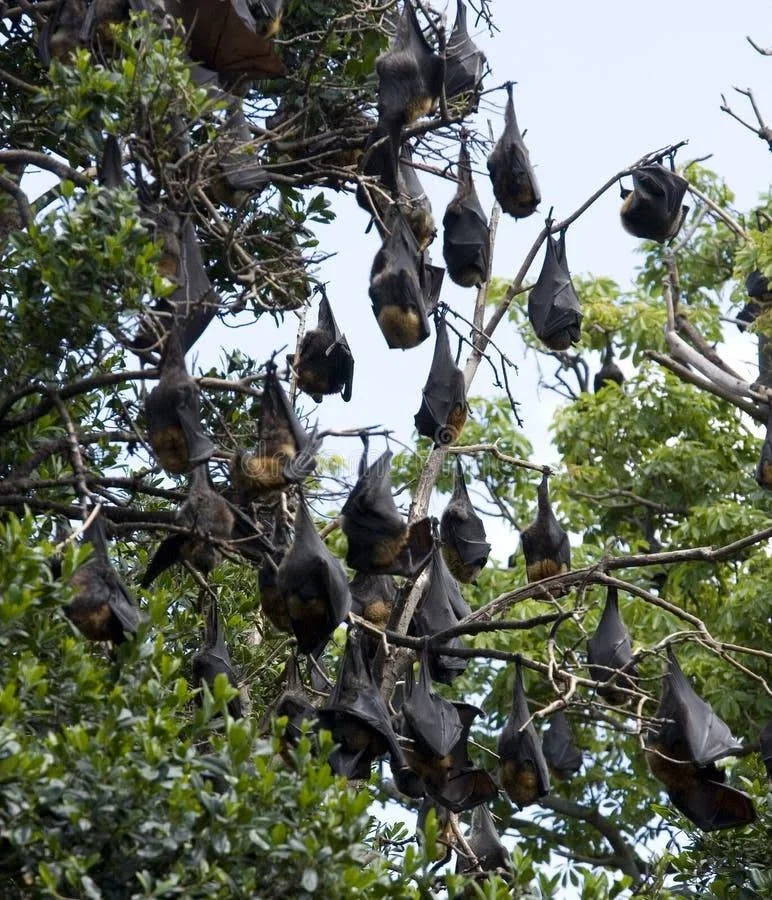
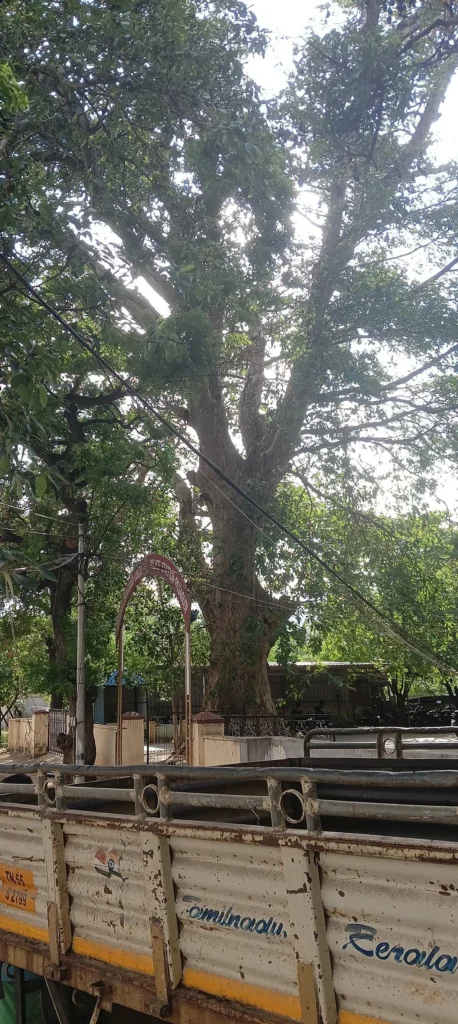
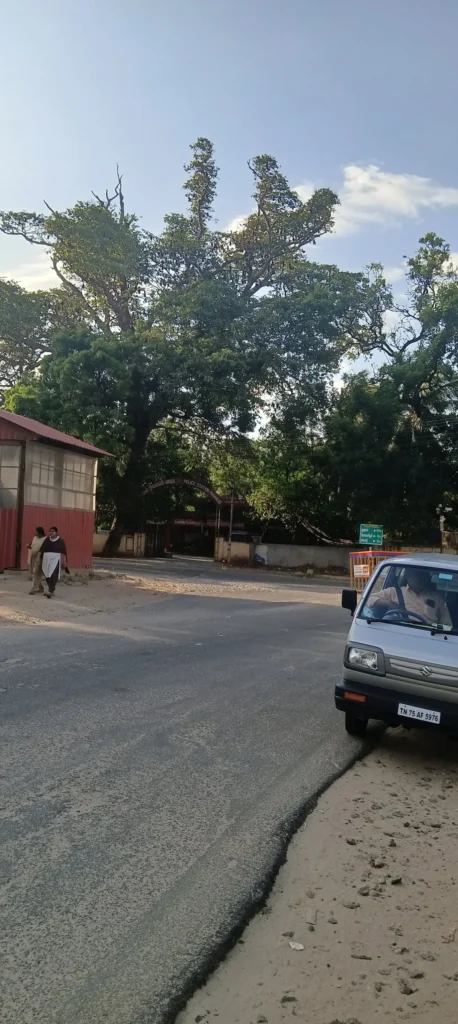
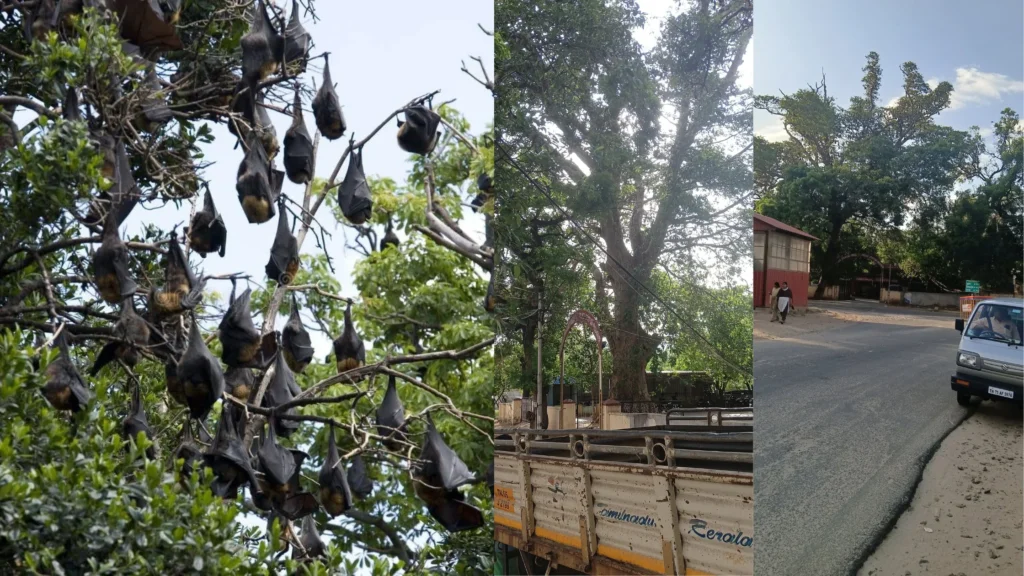
For more than 100 years, bats have lived in large numbers on a Marudha tree within the police station premises at Panagudi in Tirunelveli district. Firecrackers are burst in the area during the nearby Ramalinga Swamy Temple festival and associated temple celebrations. As a result, bats living there are dying and being severely affected. Bats are nocturnal creatures. They use sound waves known as echolocation to navigate in darkness, find food and locate places.
The loud noise of firecrackers disrupts these sound waves. Sudden flashes from firecrackers interfere with their activity and also cause stress and physical harm. If their numbers decline, agriculture and public health will be affected. Therefore, firecrackers should be prohibited in the specified bat habitats. Protection of bats is ensured under the Forest Conservation Act and Biological Diversity Act. Hunting, killing and trading them are prohibited, and those involved are liable to severe punishment.
Considering that the noise, smoke and vibration from firecrackers severely affect birds’ breeding, villagers themselves have prohibited firecrackers in several places and celebrate festivals including Deepavali without them. Villagers around Vellode Bird Sanctuary in Erode district have followed this practice for more than 20 years. People in Koonthankulam in Tirunelveli district have avoided bursting firecrackers and using loudspeakers for 25 years. For the bats living in Velavalthoppu in Salem district, villagers have avoided firecrackers for the past 75 years.
Similarly, people in many Tamil Nadu villages act not merely because the law requires it, but because they consider protecting birds their duty. This earth does not belong to us alone; all living beings have a right to live. Giving up the pleasure we obtain from causing them harm benefits both us and the environment. Considering the benefits that bats, friends of nature, provide to agriculture and the environment, let us act with the understanding that protecting them and their habitats is everyone’s duty.
Head Office,
Samuga Pothunala Iyakkam (TNSPI).