In a statement issued by A.S. Shankarapandian, General Secretary of Samuga Pothunala Iyakkam (TNSPI), he stated as follows:
The Environmental Performance Index (EPI) is a global environmental ranking published every two years by Yale and Columbia Universities. It is measured by considering environmental health, ecosystems and climate change. According to this, India ranks 176th, second from last, among 177 countries. It is also a matter of concern that India has been placed last among eight South Asian countries listed as Finland, Bhutan, Sri Lanka, Nepal, Afghanistan, Maldives, Bangladesh and Pakistan.
India has been found to lag behind when 17 factors including air quality, drinking water and sanitation, heavy metals, waste management, biodiversity protection and emission trends of gases such as methane are considered. IQAir’s World Air Quality Report 2025 was recently released. According to it, India is the world’s sixth most polluted country. It states that Loni in Uttar Pradesh is the world’s most polluted city and Delhi the world’s most polluted capital. Of India’s 238 major cities, 204 exceed air pollution limits.
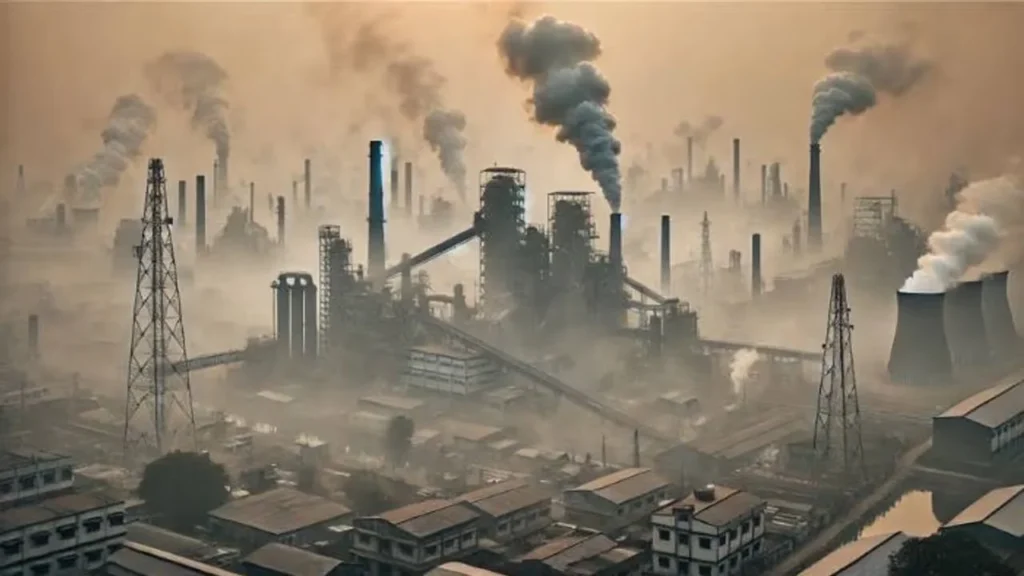
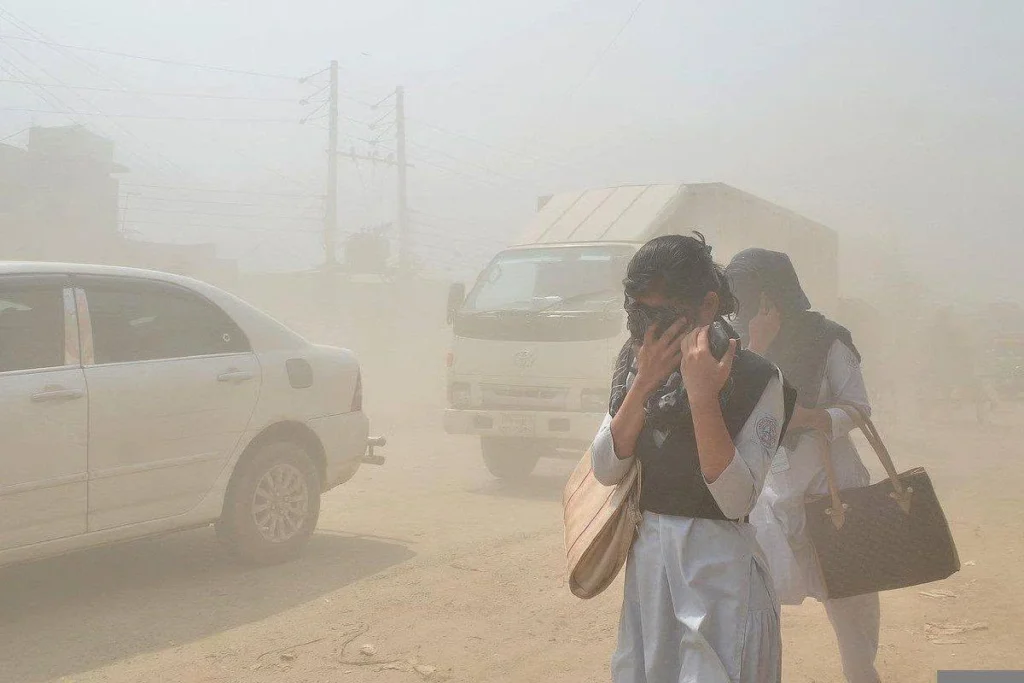
Air pollution is caused by many factors including increasing numbers of diesel vehicles, old vehicles, industrial emissions, coal-fired power plants, construction and road dust, agricultural waste burning, fossil-fuel use and burning of household materials. Air pollution cannot be dismissed merely as breathlessness. It causes numerous problems including asthma, lung and other cancers, respiratory infections such as pneumonia, bronchitis, heart attacks, stroke, high blood pressure, ischaemic heart disease, diabetes, neurological and brain-function impairment, kidney failure, reproductive problems and osteoporosis.
Very fine particles (PM2.5), nitrogen dioxide, PM10, sulphur dioxide, ground-level ozone and carbon monoxide enter the lungs and mix with the bloodstream, affecting body organs. The State of Global Air 2025 report states that around 20 lakh deaths occurred due to air pollution in 2023, an increase of 43% since 2000. In 2022, 17.2 lakh people died due to human-generated PM2.5 pollution. Statistics state that in Delhi alone, 15% of deaths in 2023, around 17,200, were caused by air pollution.
Studies and impacts make it clear that India faces environmental risks due to air pollution, biodiversity loss and damage to water resources. As Indians’ life expectancy declines because of such problems, we face various impacts. Only by giving serious attention to renewable energy, forest protection, pollution control, protection of water bodies and biodiversity, and sustainable development plans that do not harm nature can we prevent the air we breathe from becoming poisonous. We must remember that we are currently digging our own grave.
Head Office,
Samuga Pothunala Iyakkam (TNSPI).