In a statement issued by A.S. Shankarapandian, General Secretary of Samuga Pothunala Iyakkam (TNSPI), he stated as follows:
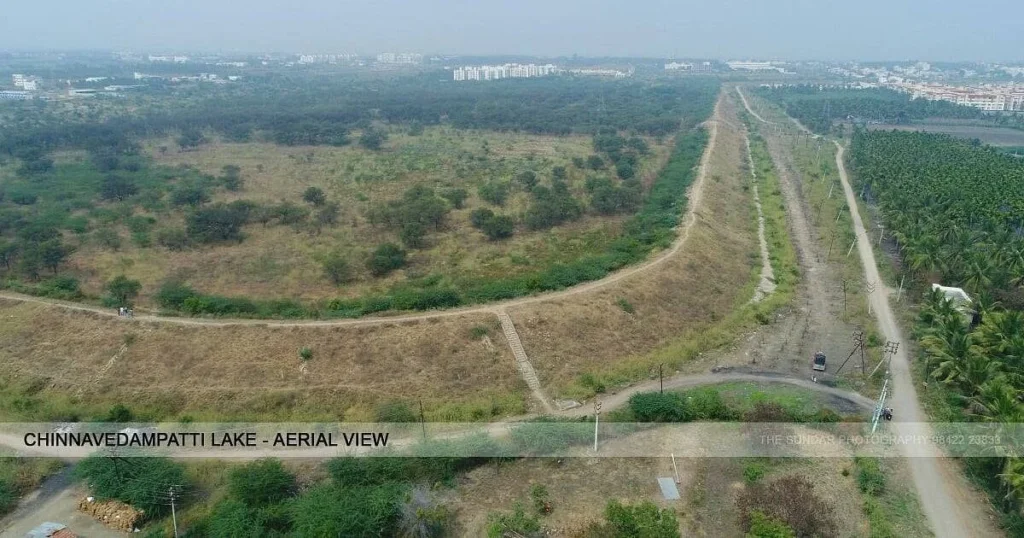
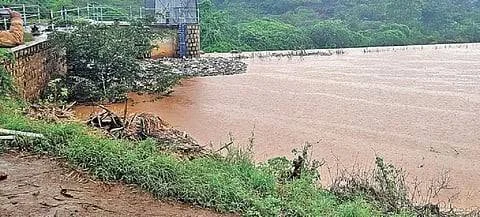
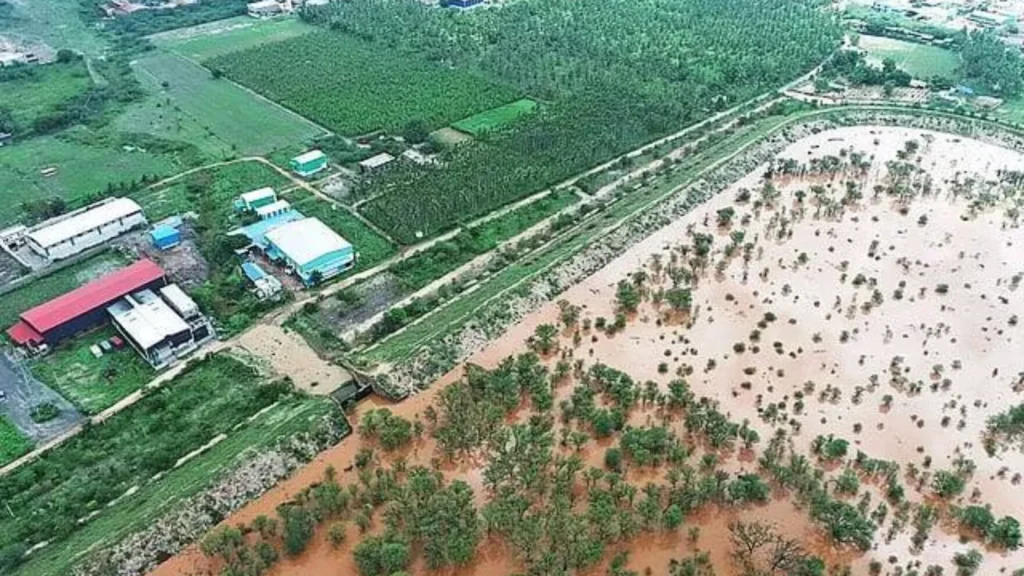
The approximately 200-acre lake in Chinnavedampatti under Coimbatore Corporation is a freshwater lake filled by rainwater inflow. It is an important resource for agriculture, groundwater, biodiversity and environmental protection in surrounding areas. In this situation, as part of the underground sewerage scheme for Chinnavedampatti, Saravanampatti and Vellakinaru, the Corporation launched a Rs. 318.9 crore project on 8.7.2026 to establish a sewage treatment plant (STP) at Chinnavedampatti Lake.
The Corporation planned to treat 50 lakh litres of sewage per day and discharge it into Chinnavedampatti Lake. Following strong opposition from farmers, it announced that this plan would be dropped and the treated water would instead be released into the lake’s irrigation canal. It has also been stated that this water would travel up to Sulur Lake and be used for agricultural irrigation in areas including Chinnavedampatti, Vilankurichi, Kalapatti, Chinniyampalayam and Neelambur.
If the project is implemented, there is a risk that residual nutrients including nitrogen and phosphorus, salts and micro-pollutants in the treated water could affect groundwater within a 20-km radius of Chinnavedampatti Lake. No matter how clean treated sewage may be, increased nutrients could lead to the dominance of algae and other invasive plants and cause oxygen depletion. This could affect aquatic life and birds. Therefore, a freshwater lake should not be made dependent on sewage-related water.
The Sulur Periya Kulam and Chinna Kulam, proposed to be used as drainage outlets for this project, cover 100 and 80 acres respectively. These tanks, which serve as groundwater sources for more than 1,000 acres of agricultural land and areas within a 15-km radius, receive water from the Noyyal River through the Ravathur check dam-Rajavaikkal route. The tanks have not been desilted and are filled with silt, while sewage from the Noyyal River also enters them, causing sanitation problems.
In this situation, diverting residual water from the Chinnavedampatti sewage treatment plant project into these tanks could cause further pollution and environmental damage. Sewage treatment projects already implemented by the Corporation at Periyakulam and Valankulam have failed. People in this area therefore face the risk that if this project too becomes dysfunctional, damage to water bodies and its harmful consequences will increase. The project being implemented in water bodies should therefore be reconsidered, and steps should be taken to bring surplus water from the Bhavani River to Chinnavedampatti Lake.
Head Office,
Samuga Pothunala Iyakkam (TNSPI).