
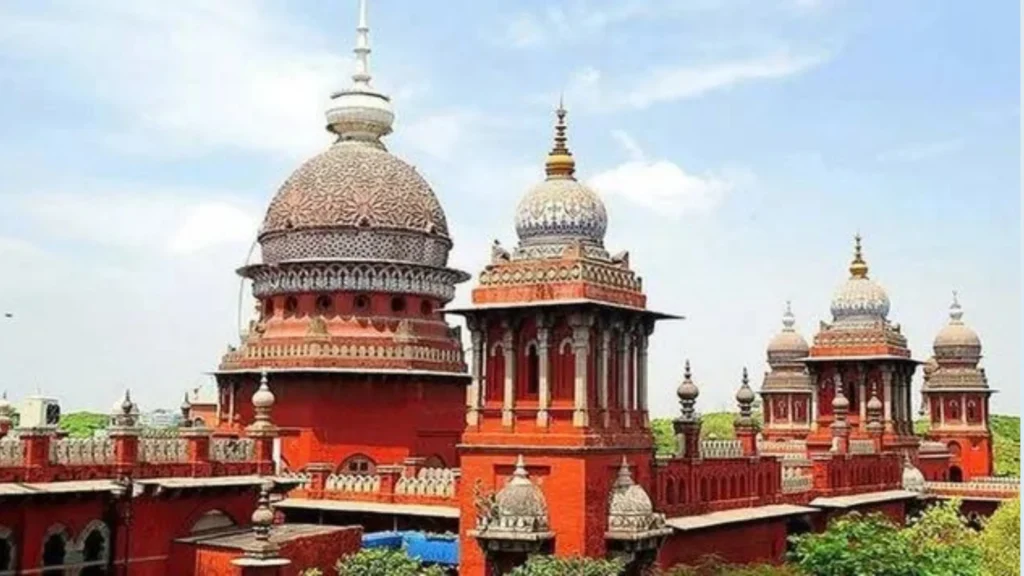
In a statement issued by A.S. Shankarapandian, General Secretary of Samuga Pothunala Iyakkam (TNSPI), he stated as follows:
Many people arrested on allegations relating to politics and differences of opinion have been languishing in prison for years as undertrial prisoners. This occurs particularly under special laws such as the UAPA (Unlawful Activities Prevention Act). According to National Crime Records Bureau data, among prisoners in Indian jails,
around 73-76% are undertrial prisoners, meaning people whose guilt has not been proved. In 2022, there were around 4.34 lakh undertrial prisoners. The same situation continues even now. Detention before courts establish guilt is turning into long-term punishment.
The Supreme Court has repeatedly stated that prolonged pre-trial detention violates Article 21 of the Constitution (right to life). Nevertheless, many people lose years of their lives in prison because of judicial delays, difficulty in obtaining bail, inability to furnish bail due to poverty and several other reasons. Social activists, lawyers and professors were arrested under the UAPA in 2018 in connection with the Bhima Koregaon/Elgar Parishad case. Stan Swamy died in custody at the age of 84.
Umar Khalid & Sharjeel Imam were arrested in 2020 in the Delhi riots case, and even after six years the trial has not begun. G.N. Saibaba was acquitted and released after around 10 years of imprisonment. The list extends to leaders arrested after the PFI ban and leaders held in preventive detention in regions including Kashmir. In Tamil Nadu, many people in UAPA and LTTE-related cases have suffered as undertrial prisoners, waiting for a new dawn.
As of 2025-26, more than 5 crore cases are pending across the country. Of these, 4.7 crore are pending in district courts, 64 lakh in High Courts and 90,000 in the Supreme Court. In Tamil Nadu, 18,733 POCSO (sexual offences against children) cases were pending as of June 2026. A judge has to handle an average of more than 20,000 cases. As a result, some cases have remained pending for more than 30 years.
India has only around 22 judges per million people. In accordance with Law Commission recommendations, the appointment of judges and staff should be expedited. Appointing court managers, administrative staff and professional administrators can free judges from administrative work. If measures including digitisation and digital hearings are implemented, case backlogs can be reduced and the suffering of undertrial prisoners can end.
Although provisions under Section 436A CrPC/BNSS emphasise the need for courts to conduct speedy trials, they are not followed in practical implementation. Justice is not merely a judgment. It must be a speedy, certain and effective process. When innocent people remain undertrial prisoners for years, they stand to lose their lives, jobs, families and reputation. They face mental distress, economic loss and social humiliation. If people lose faith in the courts, social order will deteriorate. Justice must operate with due regard to time, place and circumstances. Delay destroys the very essence of justice. Justice delayed is injustice.
Head Office,
Samuga Pothunala Iyakkam (TNSPI).