In a statement issued by A.S. Shankarapandian, General Secretary of Samuga Pothunala Iyakkam (TNSPI), he stated as follows:
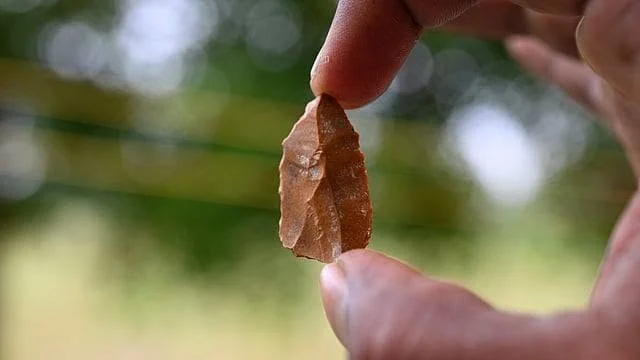
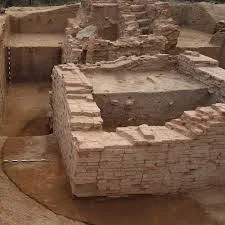
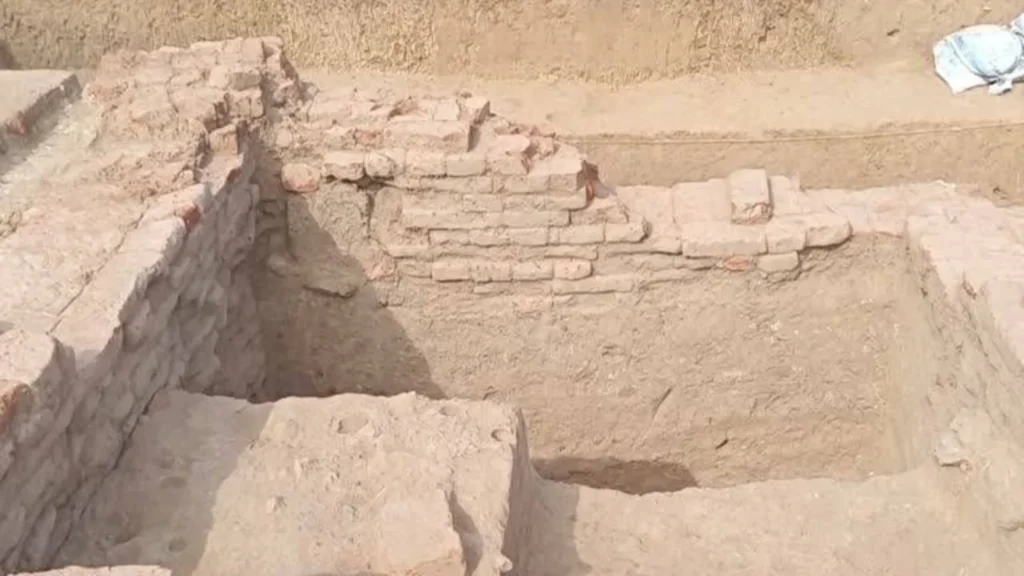
Karivalamvandanallur is located near Sankarankovil in Tenkasi district. The Palvannanathar Swamy Temple here is one of the Pancha Bhoota shrines. Known as the Agni Sthalam of Pandya Nadu, the temple was built by Pandya kings and has a history of around 1,100 years. During excavations by the Tamil Nadu Archaeology Department in the Karichathan Malai area near the Vaippar River, a square brick stepwell belonging to the Sangam era was discovered for the first time in Tamil Nadu.
It was constructed with clay coating in a style similar to the bricks found at sites such as Keezhadi, Alagankulam and Poompuhar. These structures, around 2,500 years old, stand as strong evidence of ancient water management. Megalithic burial urns and a red-coated pot with peacock paintings and a lid have been discovered. Iron objects found here also indicate that the area was a centre for iron production and processing.
The Madurai-West Coast route through the Shencottah Pass served as an ancient trade route. The discovery of Roman gold coins here in the 1930s confirms long-distance trade connections. Advanced technology, cultural practices and water management testify to ancient Tamil civilisation. Karivalamvandanallur has therefore emerged as a place that brings together temple heritage and ancient archaeological evidence, illuminating Tamil Nadu’s ancient history.
As this important area remains unprotected, the archaeological evidence here faces destruction by encroachers. Therefore, the Tamil Nadu Government should declare the specified site a protected archaeological site and prohibit any construction, agriculture or mineral extraction within a 200-metre radius. Security measures should be taken to prevent unauthorised outsiders from entering the area.
Structures such as the brick well should be preserved and converted into an open-air museum. Further excavation should be carried out using modern methods such as carbon dating, soil analysis and 3D mapping, and the site should be digitally documented. Adequate funds should be allocated in the Tamil Nadu Budget for these works to prevent delays, and the excavation report for the area should be published. The site should also be included in educational tours so that students can visit and see it. Karivalamvandanallur, considered an important archaeological site after Keezhadi, holds many histories buried within it, and protecting them from destruction depends on our actions.
Head Office,
Samuga Pothunala Iyakkam (TNSPI).