In a statement, A.S. Shankarapandian, General Secretary of Samuga Pothunala Iyakkam (TNSPI), stated as follows:
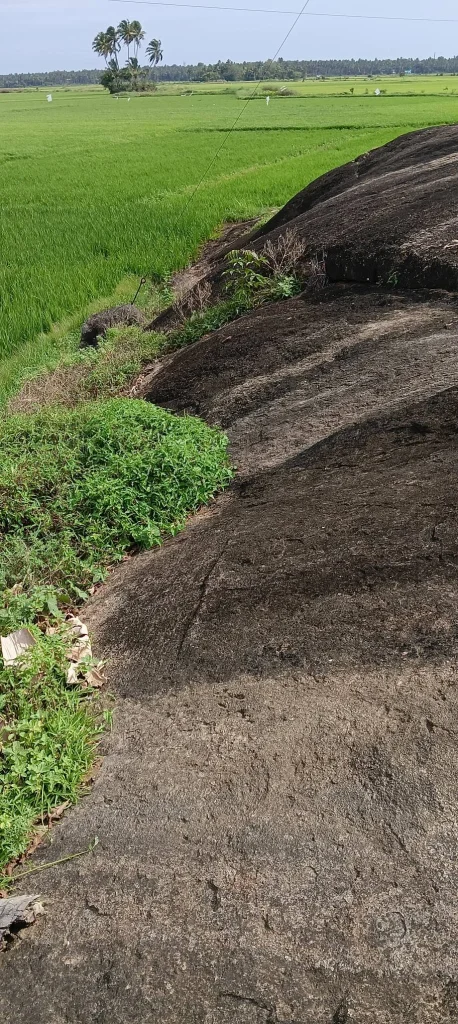
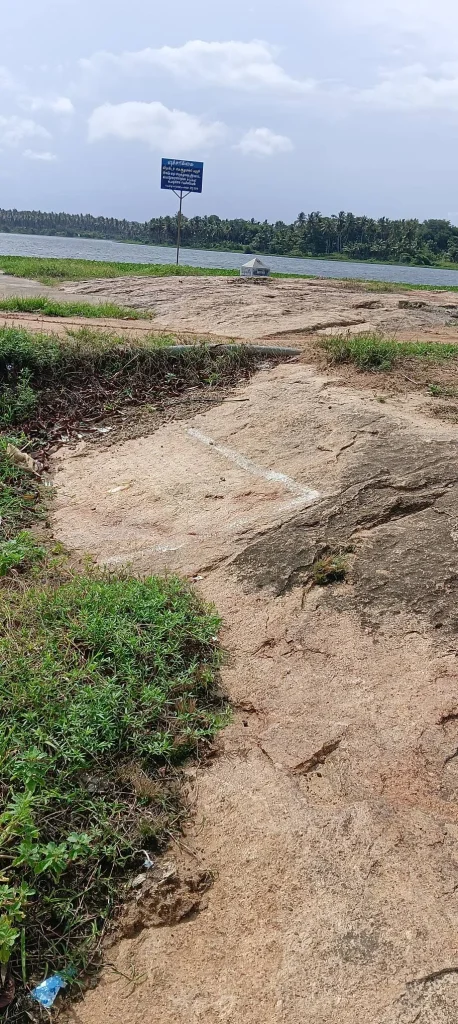
Manavalakurichi Periyakulam, which receives water from the Valliyar, covers 155 acres and provides irrigation to 200.61 hectares of land. The inscriptions here show that the tank was created several thousand years ago and is ancient. A rock on the eastern bank of the tank is called Ezhuthittan Paarai. Three ancient inscriptions are found here. An inscription from the period of Rajaraja Chola I refers to this water body as Perungulam. Over time, the name changed and became Periyakulam.
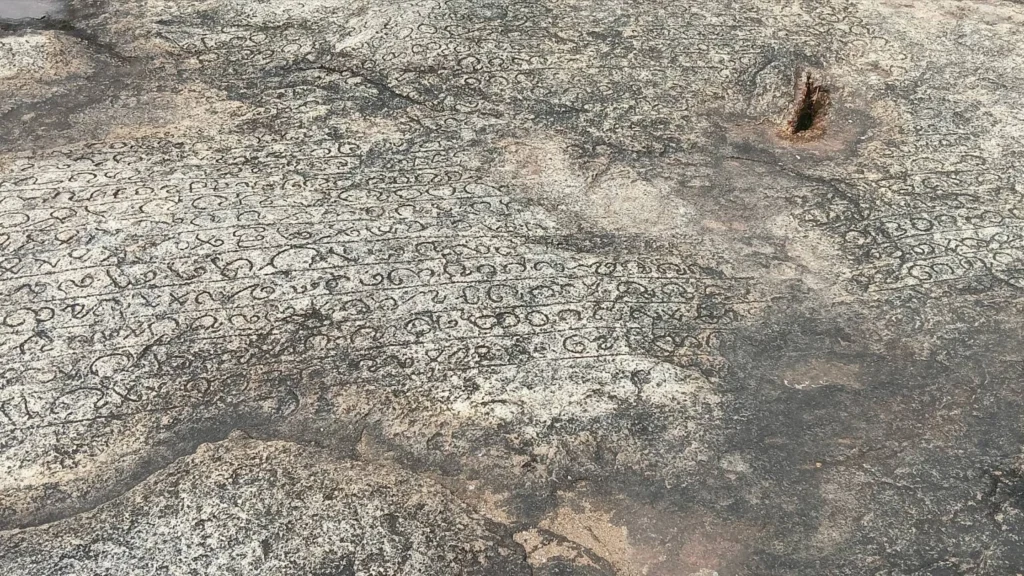
The inscription on the rock behind the Isakki Amman Temple in the Ezhuthittan Paarai area belongs to the 27th regnal year of Rajaraja Chola I (Common Era 1012). When Periyakulam breached in 1012, Rajaraja Chola repaired it and also granted land for its maintenance. Details of the penalty to be imposed for failure are also recorded in the inscription. Written in Vatteluttu and consisting of 21 lines, the first seven lines describe his greatness, the eighth line contains inscriptional information, and lines 9 to 21 provide this information about Periyakulam.
The inscription adjoining the agricultural land beneath the road on the north-eastern side of the Isakki Amman Temple belongs to the 13th century. Its mixed Tamil and Malayalam language style indicates that it was engraved after the Kollam Era came into use. The inscription provides information that stable monarchical rule did not prevail in Venad because of political turmoil from 1215 to 1266. The inscription was created in Kollam Era 440 (Common Era 1265).
The inscription on the rocky slope east of the temple was engraved in Kollam Era 773 (Common Era 1597). Created during the reign of Venad king Ravi Varma, also known as Kulasekara Perumal, it records that the Venad ruler Nainar Ravi Varma, also called Kulasekara Perumal, allocated certain lands in Kadigaipattinam Desam for a Thirumadam he built near the Sri Padmanabha Perumal Temple and for its expenses. These inscriptions show that irrigation received attention up to Kanyakumari district during Chola rule.
During the Chola period, Tamil Nadu excelled in water management, and the irrigation management here is a continuation of that tradition. Another distinctive feature of this inscription is that the phrase “Kovil Palliyagam” in Rajaraja’s Meikeerthi is not found in any other inscription. Despite such significance, these inscriptions are being buried in soil, deteriorating and suffering damage due to lack of protection and maintenance. It is urgently necessary for the Tamil Nadu Government to take steps to maintain and protect these inscriptions, which serve as documents of Chola-period irrigation.
Head Office,
Samuga Pothunala Iyakkam (TNSPI).