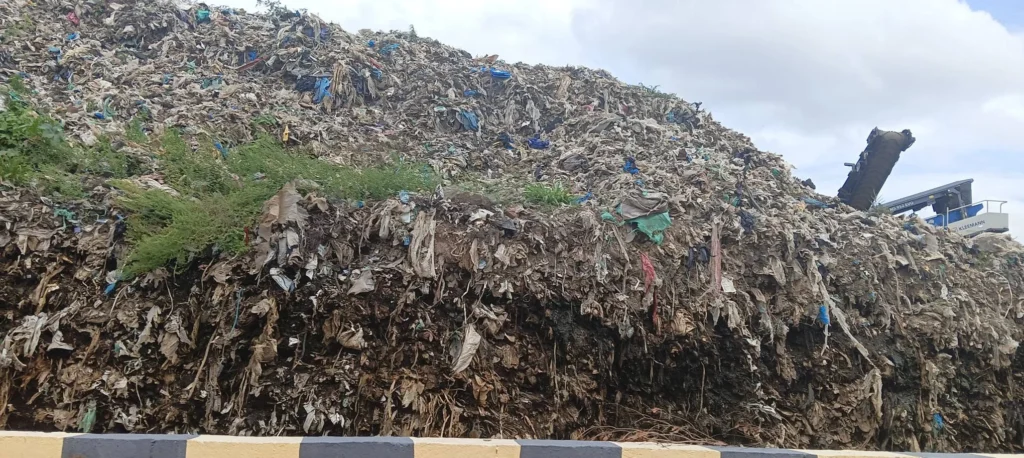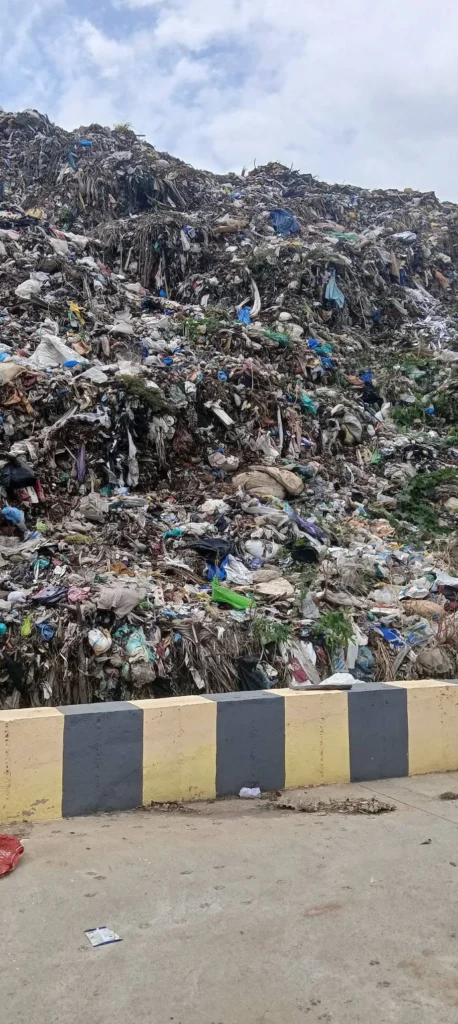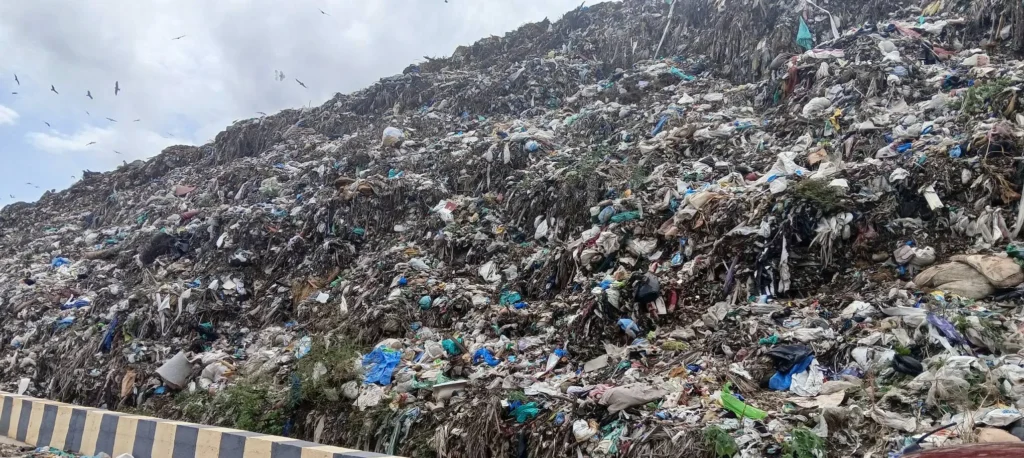
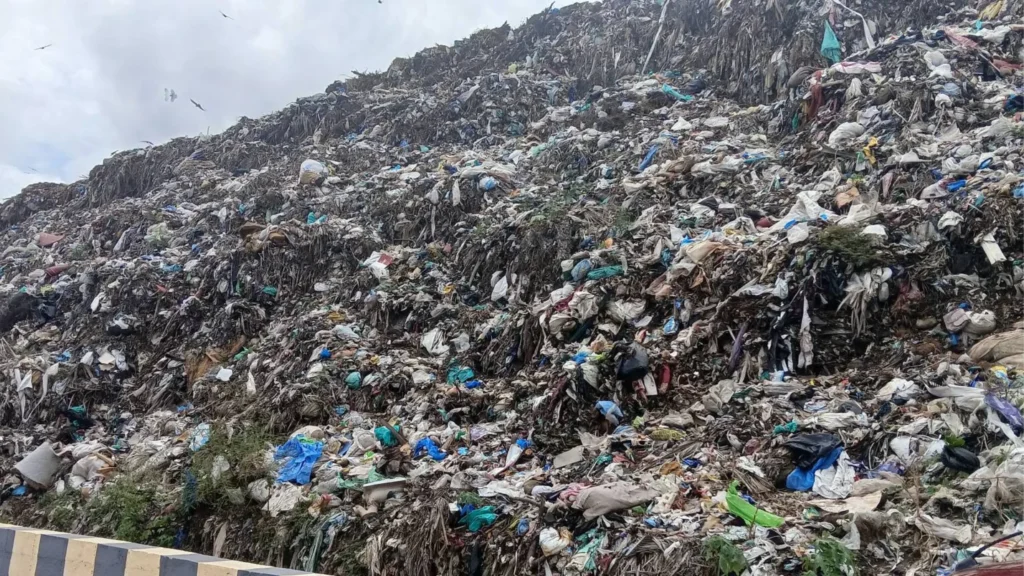
In a statement issued by A.S. Shankarapandian, General Secretary of Samuga Pothunala Iyakkam (TNSPI), he stated as follows:
Due to various factors including urban development, population growth and industrialisation, waste is increasing in Tamil Nadu and is becoming a major threat to the environment. Around 16,500 tonnes of solid waste is generated daily in Tamil Nadu. Chennai alone generates around 6,150 tonnes of waste every day, which has become a major challenge. In areas including Tiruppur, people affected by dumped waste have been staging continuous protests. As collected waste is dumped in the open, it causes water, soil and air pollution and also contributes to several infectious diseases.
Work is being undertaken to make this waste useful through Bio-CNG plants, based on the idea that waste is not a problem but a resource that can generate income. Biogas produced from biodegradable agricultural, food, municipal, plant and other waste is purified to create a fuel with high methane content. It can be used as fuel, while the remaining organic residue serves as high-quality natural fertiliser. This can help meet the state’s energy needs while reducing the use of chemical fertilisers.
This would prevent waste from remaining unused and causing harm, while also creating additional income for farmers and new employment opportunities. With Gujarat being a pioneer in the green energy sector, Tamil Nadu can intensify such initiatives to reduce carbon emissions and control the impact of greenhouse gases. At a time when problems caused by accumulated waste have become enormous not only in urban areas but also in villages, attempts to remove it have taken many forms, yet the waste continues to return and create impacts.
Although the government spends several crores of rupees every year for this purpose, efforts continue to fail because of the persistent waste problem. In particular, waste accumulating in water bodies causes various impacts, changes soil characteristics and damages groundwater resources. Establishing Bio-CNG plants would provide relief from this problem. Through this, waste can be turned into wealth without causing environmental harm.
The Tamil Nadu Chief Minister recently inspected the biogas plant operating at Chetpet in Chennai. He reviewed measures to use biodegradable waste as natural fertiliser and non-biodegradable waste in road construction and as alternative fuel in cement plants. A Bio-CNG plant operating only in Chennai cannot solve the waste problem across Tamil Nadu. Similar plants should be established in all local body areas across the state. This would demonstrate that waste is not refuse but an unused resource.
Head Office,
Samuga Pothunala Iyakkam (TNSPI).