In a statement issued by A.S. Sankarapandian, General Secretary of Samuga Pothunala Iyakkam (TNSPI), he stated as follows:
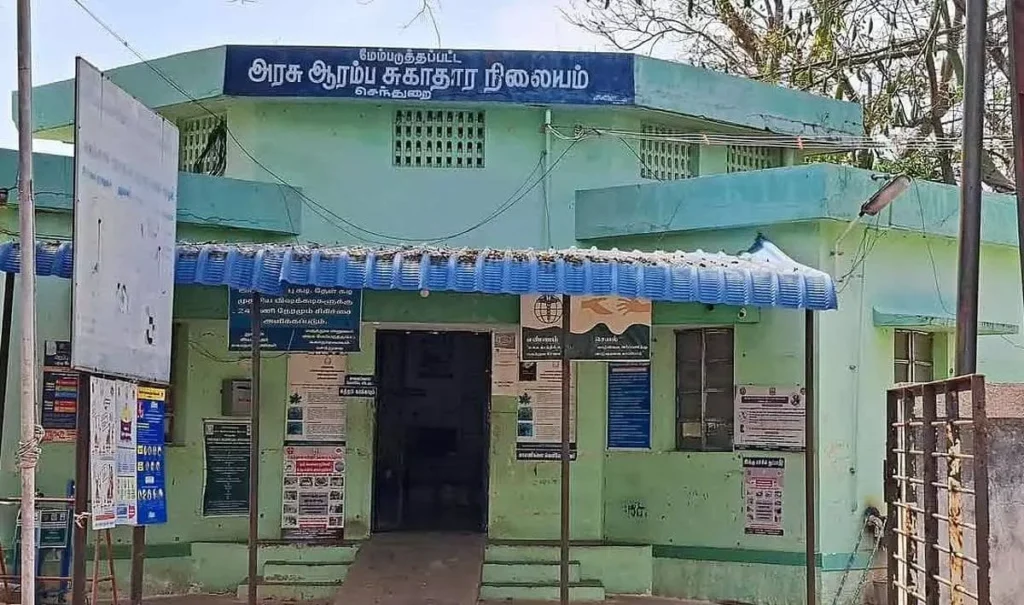
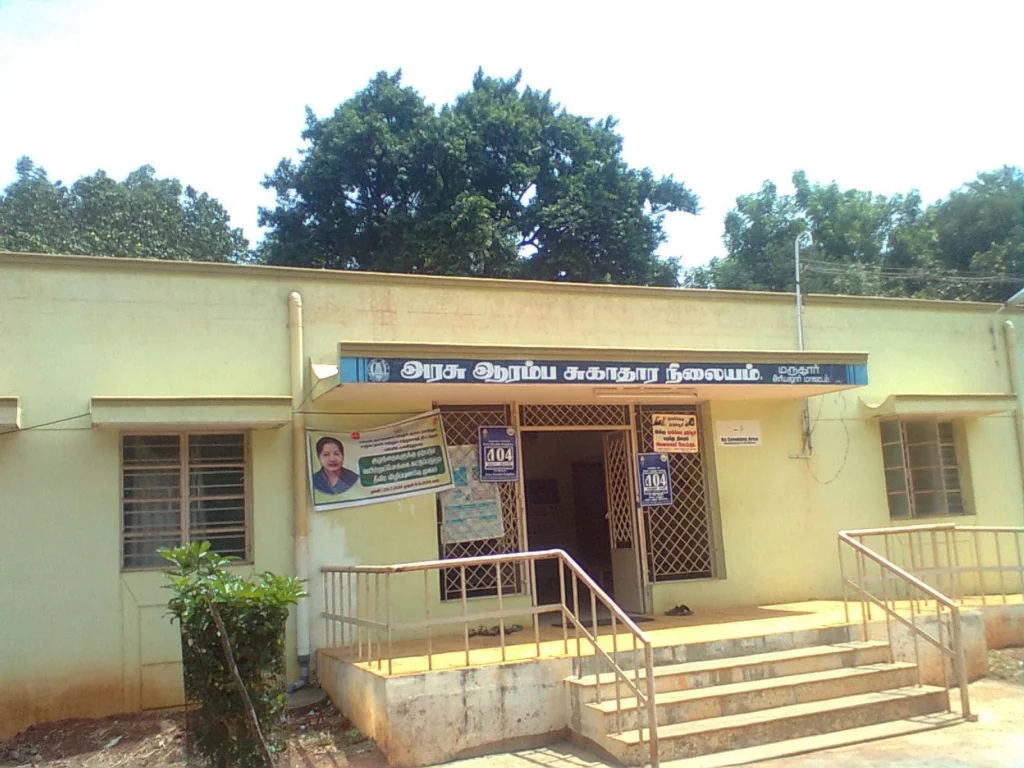
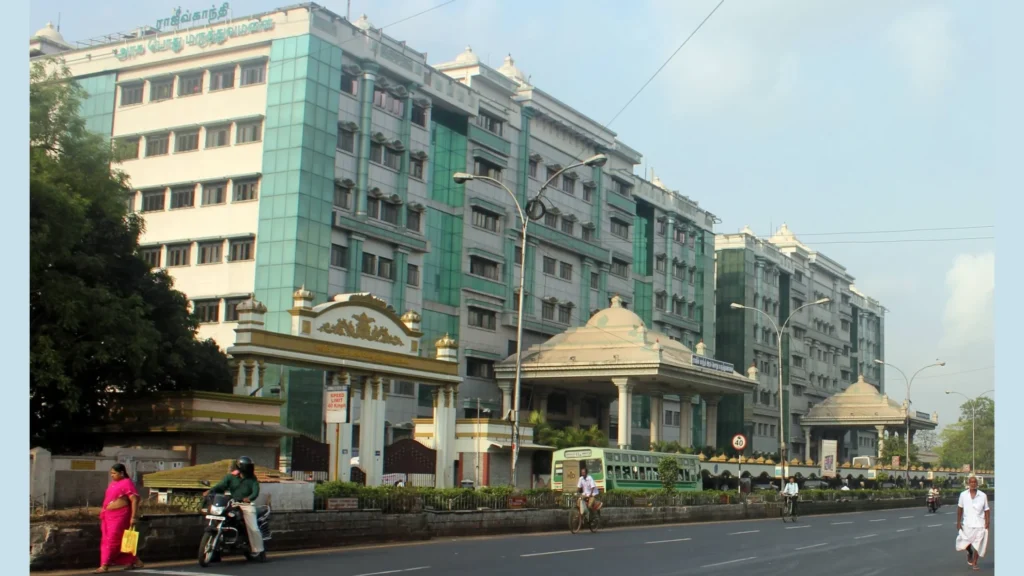
Government hospitals, by providing examinations, surgeries, and medicines free of cost and with quality care, serve as a life-saving companion for poor and ordinary people. By providing appropriate treatment to those who are unable to go to private hospitals, Tamil Nadu ranks among the leading states in India in terms of the number of inpatients receiving treatment. These hospitals play an important role in protecting public health. However, continuing problems in their functioning have created a situation in which public confidence in them is being eroded.
A 14-year-old boy, Nivas Kumar, was admitted to Periyakulam Government Hospital due to a nasal tissue growth. A tube that was supposed to be inserted through his airway was allegedly inserted through the food pipe by mistake. His condition subsequently worsened, and he was transferred to Theni Government Medical College Hospital, where he remained in a coma for more than 60 days and died on the 11th. Similarly, last May, a nursing student who had been admitted to Tiruchirappalli Government Hospital for nasal septum surgery died after suffering cardiac arrest while anaesthesia was being administered for the surgery.
In Ramanathapuram last June, a woman died after suffering cardiac arrest during nasal surgery at a government hospital. In connection with the incident, the woman’s husband approached the court seeking her medical records, and the court ordered that the records be provided. At Tiruchirappalli Government Hospital, an elderly woman from Alandur named Tamil Kodi, who was undergoing treatment for fracture surgery, had her toe bitten and mauled by a rat. Likewise, from Madurai, Thanjavur, and Sivaganga to other parts of Tamil Nadu, the condition of government hospitals is a matter of concern. These should not be viewed as isolated incidents, but as signs of long-standing sanitation problems, negligence, and deficiencies in maintenance in government hospitals.
Deaths and harm allegedly caused by lapses in government hospitals have become a recurring issue. This cannot be attributed solely to doctors. Systemic problems such as staff shortages, inadequate equipment maintenance, excessive patient load, and delays in investigations also play an important role. This has raised questions about basic sanitation, maintenance, and patient safety in government hospitals. Nursing associations state that around 30,000 nursing posts are vacant. In several places, members of the public have complained that X-ray machines have remained out of service for long periods.
In several places, important posts such as cardiac surgeons remain unfilled. In some hospitals, doctors are reportedly required to work 12-hour shifts. Government hospitals are struggling under multiple pressures, including inadequate sanitation facilities, drinking-water and toilet problems, staff shortages, and equipment-related issues. Rather than merely treating those who come to these hospitals, there is now an urgent need to provide immediate treatment to the hospitals themselves. Constructing buildings alone is not enough. Deaths occurring in these facilities can be prevented only by addressing shortages in areas such as adequate numbers of doctors and nurses and proper maintenance of medical equipment. The government has changed the term used for people seeking treatment at government hospitals from “patient” to “medical beneficiary.” When will the government change the distressing condition of government hospitals themselves?
Headquarters,
Samuga Pothunala Iyakkam (TNSPI).