In a statement issued by A.S. Shankarapandian, General Secretary of Samuga Pothunala Iyakkam (TNSPI), he stated as follows:
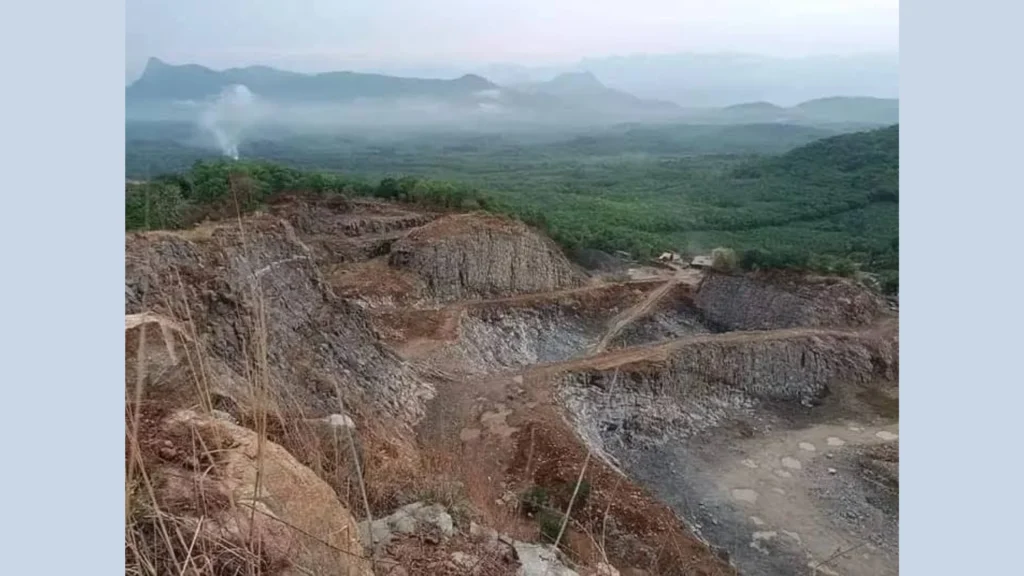
The Central Government announced the Mines and Minerals (Development and Regulation) Amendment Bill 2026 in Parliament on 10.8.26. Section 2 of the Bill currently introduced grants the Central Government additional powers to regulate mineral-bearing lands. This is an action that completely takes away the rights of State Governments and their power to determine taxes. Under Section 9D of the MMDR Act 1957, the power of State Governments to levy taxes on mineral resources has been taken away. As a result, the states will not only lose their rights but will also have to face a financial burden.
A nine-judge Bench of the Supreme Court stated on 25.7.2024 that State Governments have full authority to levy tax and cess on lands containing mineral resources and mines. It further stated that since land falls under Entry 18 of the State List, State Governments have the authority to levy tax on land. The new amendment Bill has been brought in a manner that would bury this historic judgment. Through this, the very principle of federalism has been called into question.
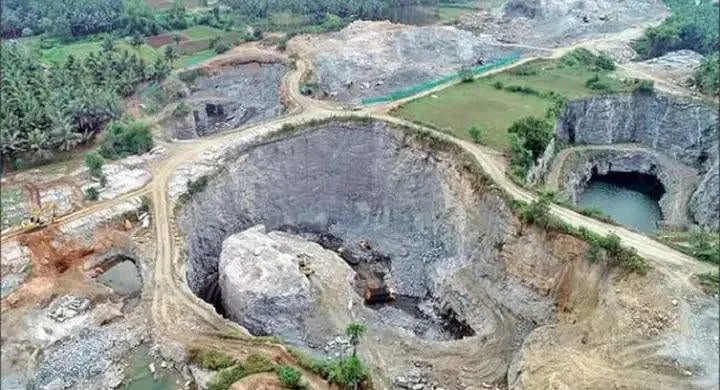
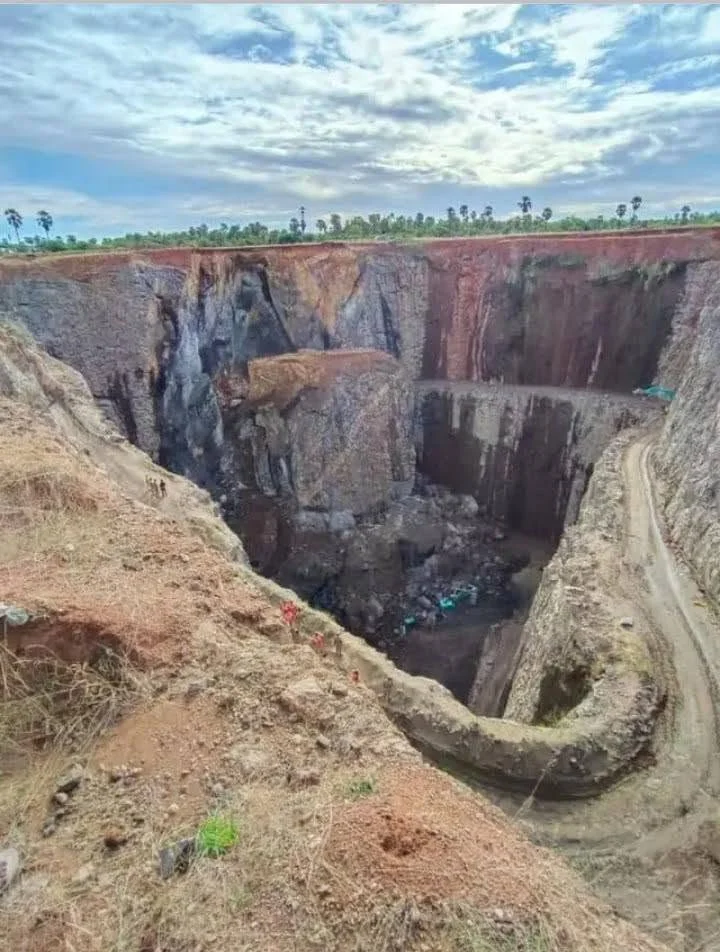
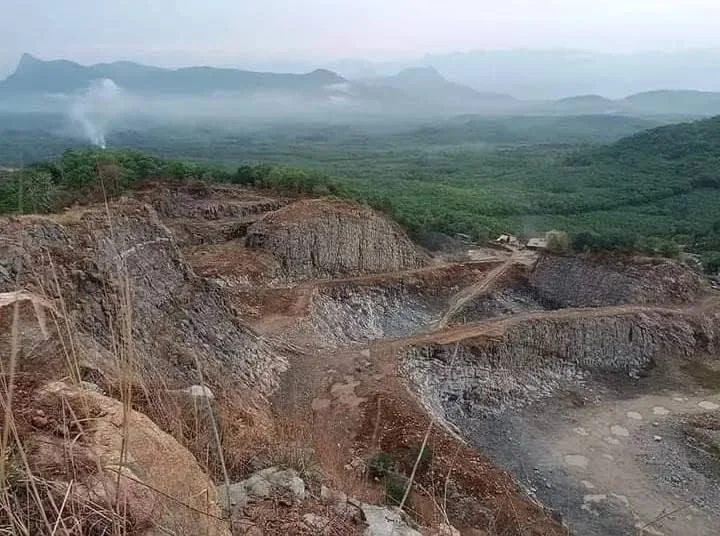
Considering future economic production, the United States classified around 300 rare minerals in 2019. Following this, an agreement relating to the export of minerals was reached between the United States and India in 2021. Subsequently, the Central Government’s actions have been focusing intensively on extracting mineral resources without hindrance and exhausting them. Rather than public welfare, it is acting with its attention firmly focused on corporate interests and their welfare.
Through the legal amendment made in 2023, private companies were permitted to participate in the exploration of six atomic minerals—lithium, beryllium, niobium, titanium, tantalum and zirconium—and to use technologies for extracting those minerals. Further, in 2025, the Union Environment Ministry announced that public consultation meetings were not required before implementing projects to mine 24 types of critical minerals and six types of atomic minerals in India.
In this manner, the Central Government has been making legal amendments to facilitate large corporations in taking away mineral resources. As a continuation of this, it has made the specified legal amendment to shield them from State Governments as well and facilitate the plundering of natural resources. This creates a situation in which, apart from State rights being taken away, public welfare, natural resources and the environment face grave danger. People’s lives and natural resources should not be made a sacrifice for the profit-seeking of private companies. Therefore, the Central Government must withdraw the specified legal amendment that takes away the land, the people, the future, livelihoods and the powers of the states.
Head Office,
Samuga Pothunala Iyakkam (TNSPI).