In a statement, A.S. Shankarapandian, General Secretary of Samuga Pothunala Iyakkam (TNSPI), stated as follows:
Ramsar Sites are wetlands of international importance recognised under the international convention signed in Ramsar, Iran, in 1971. They are regarded as among the world’s most productive ecosystems requiring protection. They provide habitats for migratory birds, rare and endangered species, aquatic plants and biodiversity, and serve as important resting places along bird migration routes. They act like natural sponges, absorbing excess rainfall and releasing it slowly, thereby reducing flood risk.
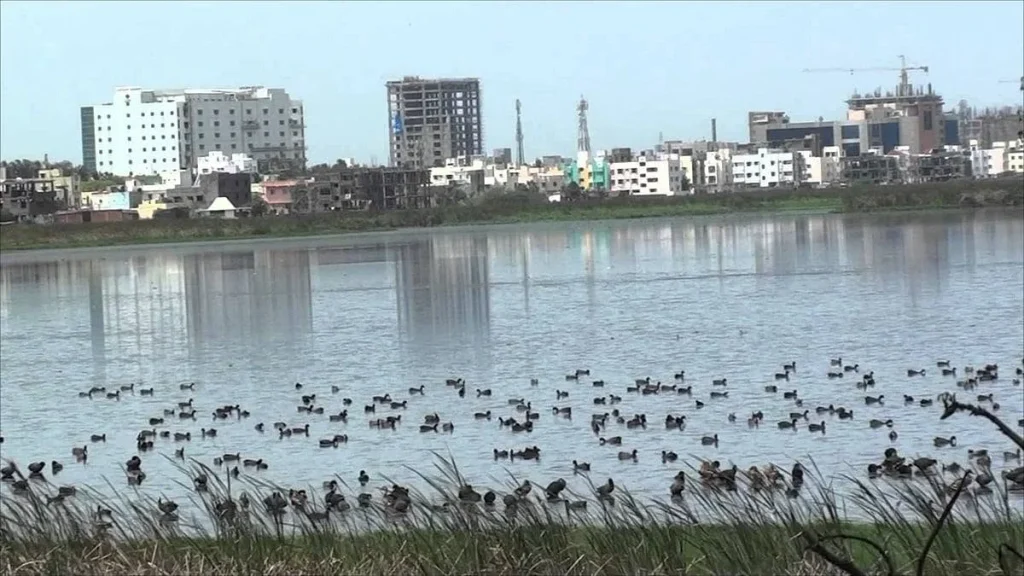
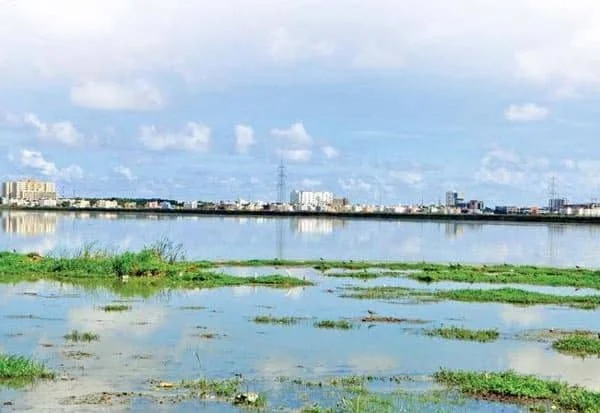
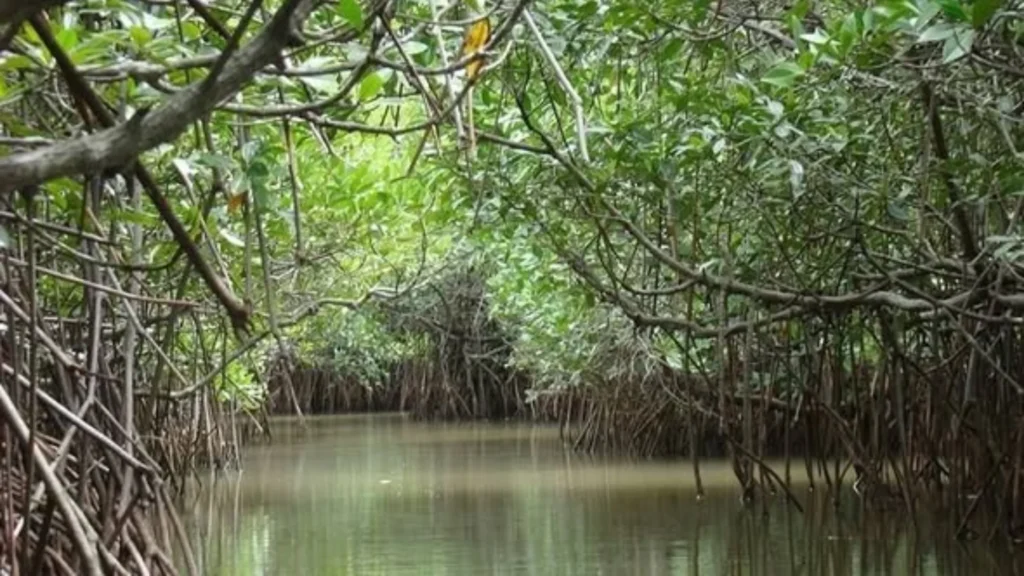
They recharge groundwater by allowing rainwater to percolate into the ground and purify water by filtering pollutants, nutrients and waste. They are therefore called the kidneys of the landscape. Coastal wetlands reduce the impact of waves, storms, tsunamis and other natural hazards. They support fisheries, paddy cultivation and livestock fodder. Tamil Nadu has 20 Ramsar Sites, the highest number in India. Well-known sites on this list include Pallikaranai Marsh in Chennai, Pichavaram Mangrove Forest in Cuddalore, Point Calimere in Nagapattinam, Kazhuveli coastal brackish-water lagoon in Villupuram, Karaivetti, Koonthankulam and Vedanthangal sanctuary.
Ramsar Sites are not merely places where birds live. They are vital natural systems connecting water, air, living organisms and human life. Protecting them is essential for future water security and climate protection. However, most sites are being severely affected by human activity and natural pressures. Wetlands are shrinking because of sea-level rise, sewage inflow, garbage dumping, agricultural chemicals, illegal shrimp farms, invasive plants including Prosopis juliflora, and encroachments.
If wetlands are destroyed, floods and droughts will increase, groundwater will decline, bird and fish species will disappear, climate-change impacts will increase and local livelihoods will be affected. Considering this, the Tamil Nadu State Wetland Authority (TNSWA) was constituted under the Wetlands (Conservation and Management) Rules, 2017, to protect wetlands, prevent their destruction and carry out related work. The notification was issued in 2018, and the Authority functions under the chairmanship of the Tamil Nadu Minister for Environment and Forests.
Although eight years have passed since the Authority was established, it has so far remained inactive and in a Kumbhakarna-like sleep. As a result, the specified work has stalled and wetland protection is increasingly in question. Complaints have arisen that the Authority has not identified any wetland so far and has ignored encroachments in marshes including Pallikaranai, yet it has still not awakened. Due to inadequate coordination among government departments and failure to recognise the importance of wetlands, wetlands are on the brink of destruction from pollution, encroachment and other pressures. When will the Tamil Nadu Government take action to make the Authority functional?
Head Office,
Samuga Pothunala Iyakkam (TNSPI).