In a statement, A.S. Shankarapandian, General Secretary of Samuga Pothunala Iyakkam (TNSPI), stated as follows:
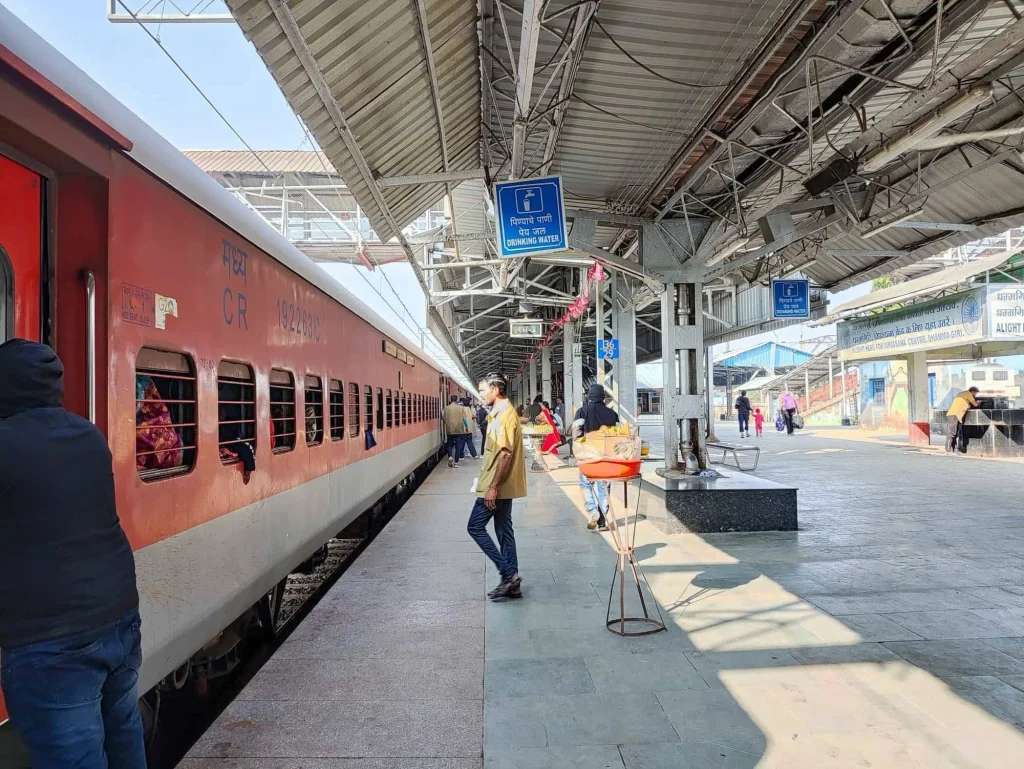
India has 7,469 railway stations and halt stations, with around 8,000 railway stations in operation. Around 25,000 trains, including 14,000 passenger trains and freight trains, operate every day. Around two crore passengers travel by train daily, making railways a major form of public transport. In this situation, the report of the Comptroller and Auditor General of India (CAG), submitted to Parliament on the 12th, is deeply shocking and concerning.
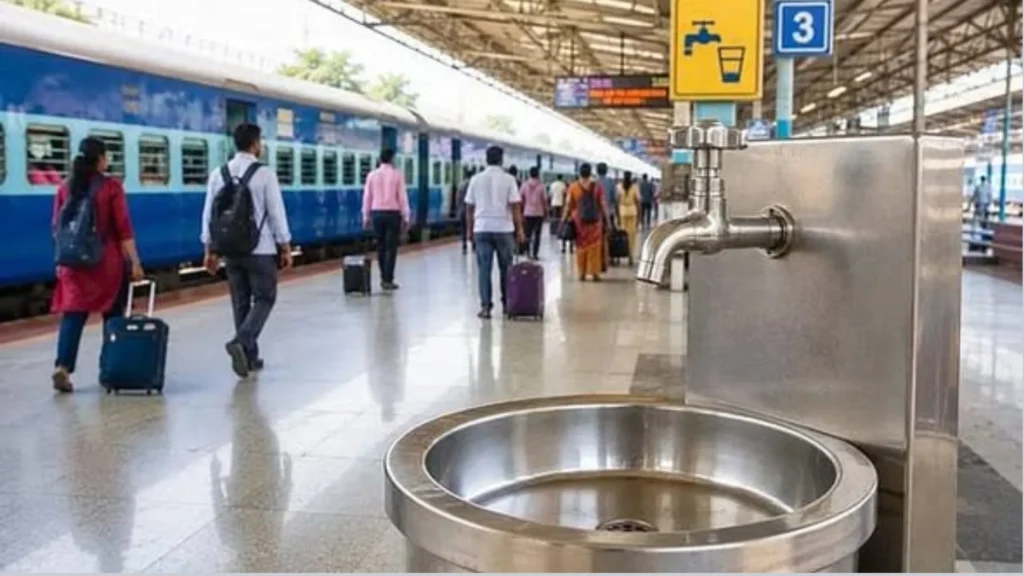
The CAG team inspected 512 major railway stations across 16 zones and found deficiencies in basic facilities at 458 stations. In particular, E. coli, a bacterium found in human faeces, was detected in drinking water at railway stations. Chlorine levels in drinking water should be within the range of 0.2-0.5 ppm, but at many locations they were found to be either lower or higher. Water tanks had not been properly cleaned and contained algae and contamination. This creates a risk of increased water-borne illnesses including diarrhoea, vomiting, fever and stomach pain.
During long journeys, heat and crowding, poor-quality water can cause conditions such as diarrhoea and cholera. With crores of passengers travelling by train every day, even a small problem can have a large-scale impact. Under Railway Board rules, facilities such as drinking water taps and water coolers must be provided at all railway stations. This is connected to passengers’ basic amenities and human rights.
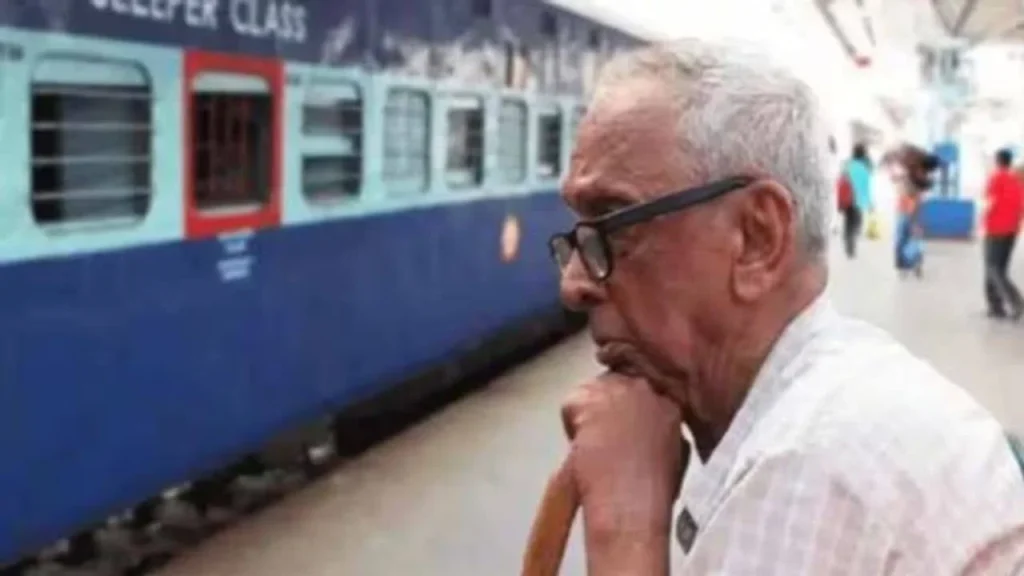
Providing quality and safe drinking water to railway passengers protects their health and public health. However, the CAG report has exposed negligence by the Railways on this issue. When drinking water, a basic need of railway passengers, is supplied without proper maintenance and safety and becomes hazardous, various groups including children, elderly people and women face risks to their lives.
The specified report shows the need for the Railways and the Union Government to give serious attention to this issue and improve facilities. Clean, quality drinking water that does not create health risks must therefore be ensured for railway passengers. Providing drinking water needed by people in the country’s largest public transport system is not merely a basic necessity; it is also a fundamental duty of the government.
Head Office,
Samuga Pothunala Iyakkam (TNSPI).