In a statement, A.S. Shankarapandian, General Secretary of Samuga Pothunala Iyakkam (TNSPI), stated as follows:
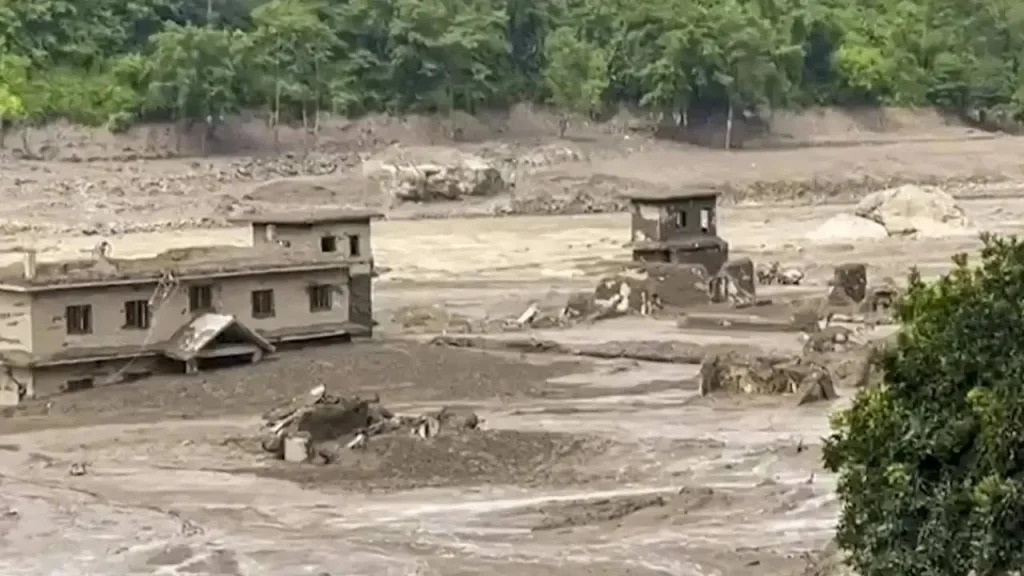
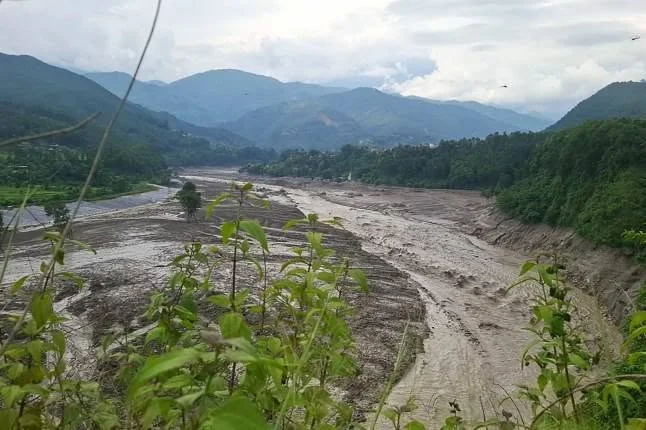
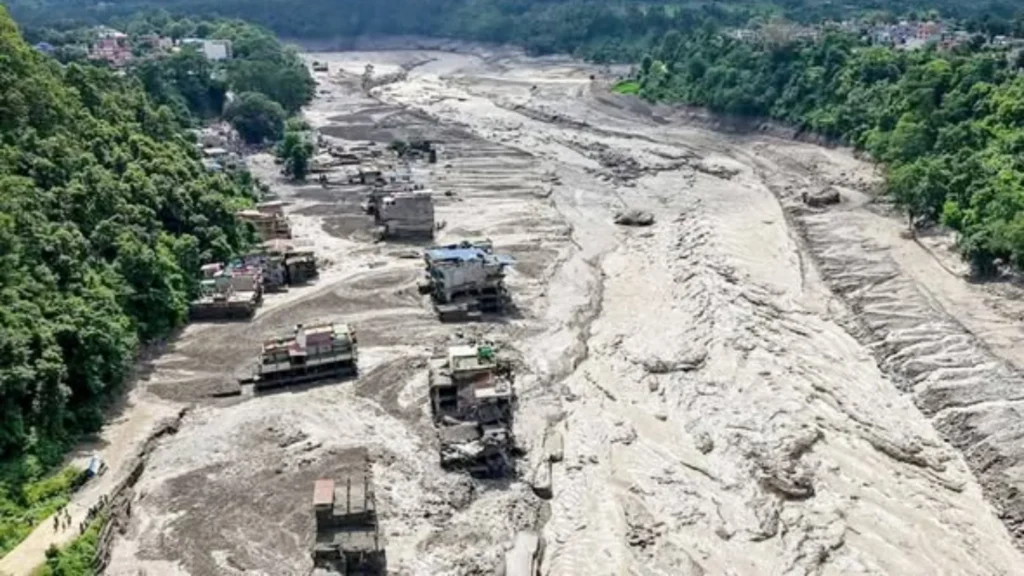
The glacier collapse that occurred on the 26th along the Nepal-Tibet border caused a massive mud flood in the Trishuli river basin. Reports that more than 600 people died and around 3,000 are missing are shocking. This is not a rare natural accident. A similar glacial lake outburst occurred along the same river route in July 2025. This is the second major flood here within 13 months. The Himalayas are warming rapidly due to climate change, causing glaciers to melt quickly. Nepal’s glaciated regions have lost around one-third of their ice over the past 30 years.
As permafrost melts, mountain slopes become unstable. The belief that mountains will remain stable despite glacier collapse is proving false. The Himalayas must therefore be regarded as an active hazard zone. Much of the damage in Nepal involves houses, roads, bridges, hydropower projects and tunnels built along riverbanks. Roads, hydropower projects and tourism in mountains and rivers cannot be viewed only as economic development. A project that fails to account for environmental protection, loss of nature, biodiversity, landslides, glacier collapse and mudflows can become the beginning of the next disaster. Riverbank development can turn into an accumulation of risk.
Once a disaster ends, relief is provided and the matter is forgotten, and we do not pay attention to the risks and impacts of the next disaster. Various areas including the Western Ghats, Nilgiris and Kodaikanal are also vulnerable to similar impacts. In the Nilgiris, the GS| map shows around 1,000 sq. km as a high-risk zone. Researchers warn that road expansion, tea estates, tourism and infrastructure can trigger slope failures.
It is essential to prohibit new construction in hazard zones and review existing structures. Landslide and flood warning arrangements in the Western Ghats of Tamil Nadu should be strengthened. Hydropower projects and dams operating in Tamil Nadu’s hill regions should undergo rigorous examination for safety and their capacity to withstand flash floods. Just as Himalayan glacier melting creates risks, intense rainfall and land-use changes in the Western Ghats can trigger landslides, making preventive action on this issue extremely important.
Areas at risk of landslides in the Nilgiris and Western Ghats should be identified and construction prohibited there; safety rules should be made mandatory for tourists; residents of hill areas should receive emergency training; encroachments on riverbeds and water bodies should be removed; projects that exploit nature in the name of development should be stopped; industries that are destructive to the environment should be prohibited; and unrestricted exploitation of natural resources should be prevented immediately. Preventing tragedies here like those occurring elsewhere depends on government action.
Head Office,
Samuga Pothunala Iyakkam (TNSPI).