In a statement issued by Samuga Pothunala Iyakkam (TNSPI) General Secretary A.S. Sankarapandian, he said:
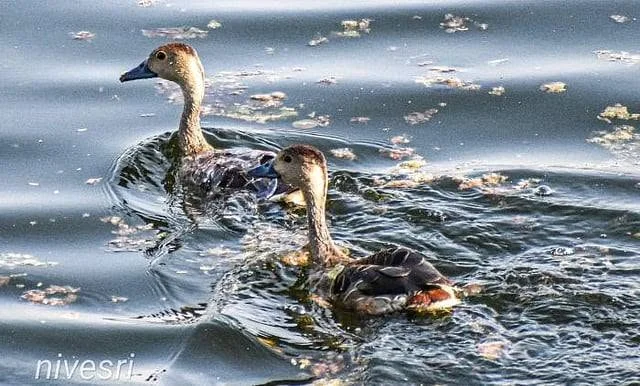
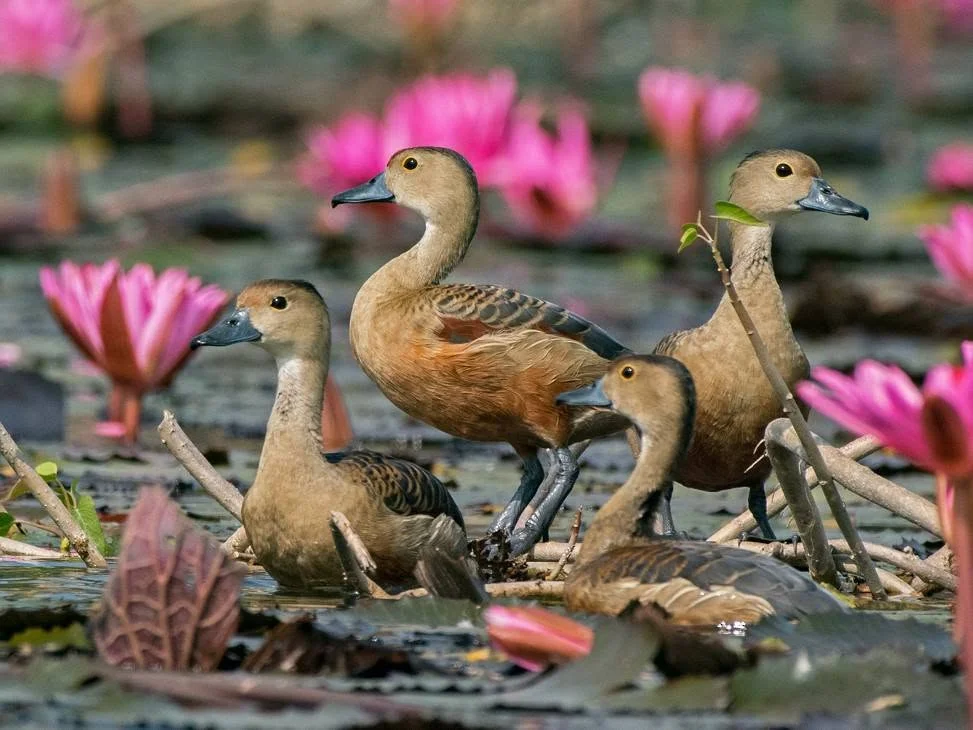
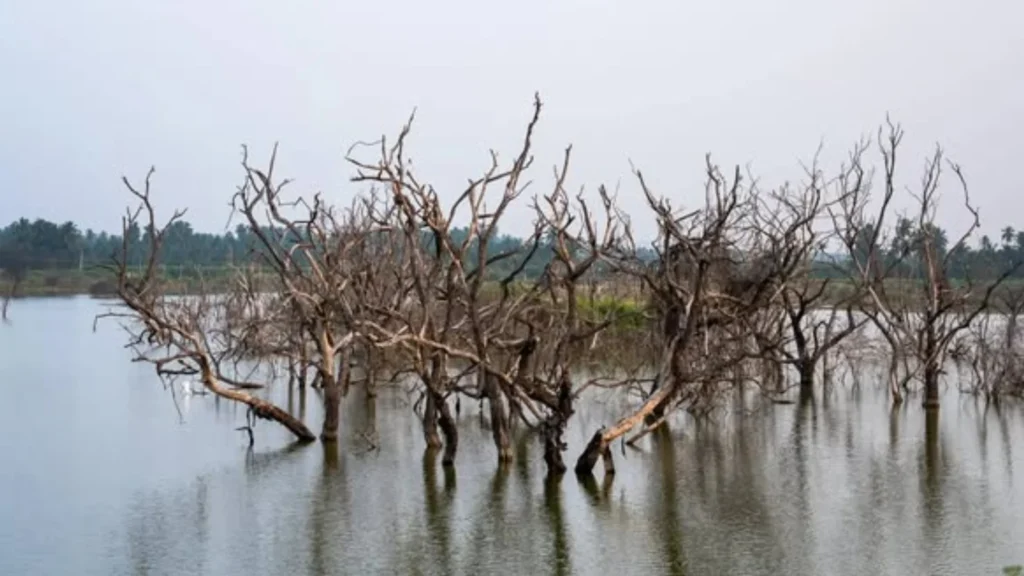
The 37.42-hectare lake located in the Elathur Town Panchayat area of Erode district serves as a catchment area for 21 villages and plays an important role in agriculture, water resources and biodiversity habitat. The Tamil Nadu government declared Elathur Lake the state’s third Biodiversity Heritage Site in September 2025. Because the area contains deep water, shallow areas, marshland, mudflats, scrubland and rocky terrain, it serves as a refuge for migratory and local birds.
According to a government study, a total of 693 species are found here. Around 10,000 birds gather here during the peak migratory season. Various rare birds including pintail, garganey, bar-headed goose, teal, shoveler, wagtail and sandpiper also gather here. Elathur Lake is a living example of how even a small wetland, combined with community protection, can receive state-level recognition and become a symbol of biodiversity.
However, various rare bird species that take refuge here, including grassland eagle, river tern/crow, greater spotted eagle, Asian woolly-necked stork, painted stork, eastern marsh harrier, black-headed ibis, red-necked falcon, Indian spotted eagle and others, are under threat. Wastewater and garbage entering the lake through water channels from the Nambiyur area are turning Elathur Lake, which is known as a haven for bird lovers, into a threat to the birds themselves.
While darters, cormorants and herons nest and breed in sissoo, prosopis and vaagai trees, birds are unable to incubate their chicks because people illegally fish at night using prohibited nets in bird habitats and hunt birds. Illegal tree cutting and soil removal also destroy bird habitats. As a result, the uniqueness of the lake is being lost and the birds that come here are being driven away.
Local people have formed and are operating a biodiversity protection committee to protect Elathur Lake, which is a destination for migratory birds. However, increasing threats are driving birds away rather than creating conditions to welcome them. To address this, pollution entering the lake must be prevented, permanent forest guards should be appointed and deployed for night-time monitoring, and water inflow and water quality must be ensured.
Headquarters,
Samuga Pothunala Iyakkam.