In a statement issued by Samuga Pothunala Iyakkam (TNSPI) General Secretary A.S. Sankarapandian, he said:
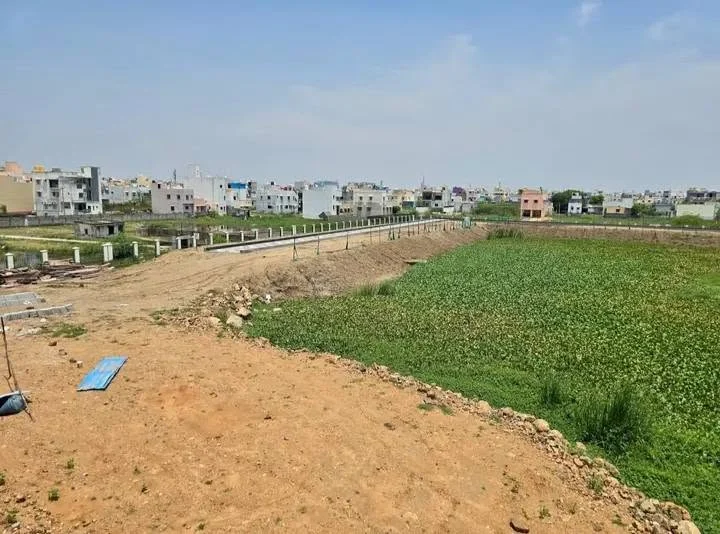
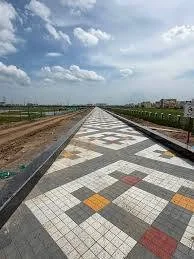
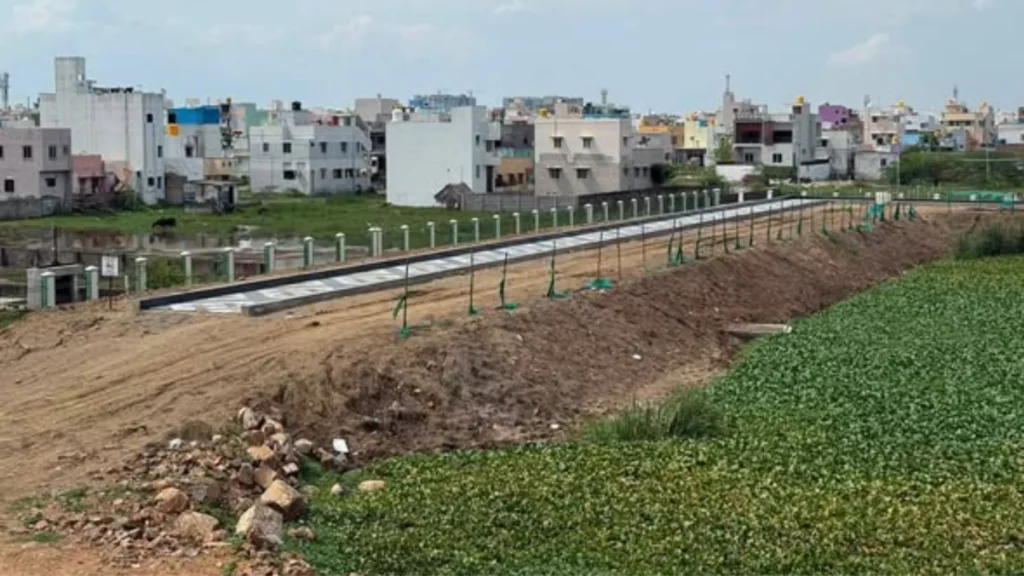
Pallikaranai marsh is Chennai’s last natural wetland. Declared a Ramsar site in 2022, the area is important for Chennai’s flood control, groundwater recharge and biodiversity protection. Historically, this landscape covered several thousand hectares, but it has now shrunk to 1,247 hectares. At present, the Tamil Nadu government is constructing, in the name of Neithal restoration and protection, a wall about 3 km long and 6 feet high from Perumbakkam to Kallukuttai, along with a 2 km walkway inside it, at a cost of Rs. 21 crore.
A marsh is not a closed water body like a lake. Rainwater from several acres of land surrounding it spreads across the landscape, enters the marsh and then flows to the sea through the natural drainage system via Okkiyam Maduvu–Kovalam. Constructing a wall and walkway will greatly affect this natural water flow. As a result, areas such as Jalladianpet, Balaji Nagar, Sai Ganesh Nagar and Kamakoti Nagar could face increased flood risk. Pallikaranai functions like a natural sponge that receives surplus water from more than 65 water bodies. Blocking the water entering here could create flood risks in southern Chennai areas including Velachery, Medavakkam/Thoraipakkam and Sholinganallur.
Pallikaranai has more than 100 bird species, reptiles, amphibians and rare plants. Dividing the marsh water spread with embankments would alter their habitat and affect biodiversity. Soil is also being excavated from within the area for construction, damaging the habitats of living organisms. At a time when Metro pillars, roads, the Perungudi landfill and encroachments have already affected water flow and bird habitats, the present action can be viewed as an assault on biodiversity.
Under the Wetlands (Conservation and Management) Rules, 2017, permanent construction inside wetlands is prohibited. The government, which should remove encroachments, attempting to create encroachments itself raises questions about the law and conservation measures. The marsh should remain open. Constructing walls and other structures in it would alter its ecological character. Preventing unobstructed water exchange would invite various risks upon ourselves.
Although Tamil Nadu has 20 Ramsar sites, it is condemnable that the boundaries of many of them have still not been finalised. The Tamil Nadu State Wetland Authority, created to protect and measure them, is inactive. It is extremely necessary to protect at least the remaining wetland area of Pallikaranai. However, if the wetland’s hydrological functioning is altered in the name of protection without fully ensuring its water flow, demarcating the wetland boundaries and taking action to prevent encroachments, the conservation work will ultimately fail.
Headquarters,
Samuga Pothunala Iyakkam.